 Buraydah Private Colleges
To take our Students to Zenith of Education
Buraydah Private Colleges
To take our Students to Zenith of Education
Quick Links: Future Student Application | Education Gate | BlackBoard
Pharmacy Program
Pharmacognosy and Pharmaceutical Chemistry
Pharmacognosy is the study of plants or other natural sources as a possible source of drugs. Pharmaceutical chemistry is the branch of medicinal chemistry which concerned with the design of medicine and its synthesis. The purpose of subject is to get new molecules of medicine or optimize and explore already existing drug structures, thereby to enhance the portfolio of chemical in form biologically active molecules.

About the Department
Pharmacognosy and Pharmaceutical Chemistry branches are integrated together to form this unit. This unit is a highly collaborative, interdisciplinary part of the College of Pharmacy, Buraydah. Several faculty members with expertise in these areas are part of this unit. Scientific research interests of unit members fall into different categories such as isolation of natural products from plant sources, synthesis and discovery of novel anticancer drugs, and development of new analytical techniques for various bioactive compounds. Moreover, the Unit’s faculty members attended various national and international conferences and published numerous research papers in reputable and distinct peer-reviewed scientific journals.
This unit has laboratories including Pharmacognosy, Pharmaceutical Biotechnology, Pharmaceutical Analytical Chemistry, Pharmaceutical Organic Chemistry, Medicinal Chemistry, and Instrumental Analysis. The goals of such experiential learning are diverse and are focused on the extraction, identification of natural compounds, synthesis, design, and analysis (both qualitative and quantitative) of drugs and natural products.
Vision, Mission and Goals.
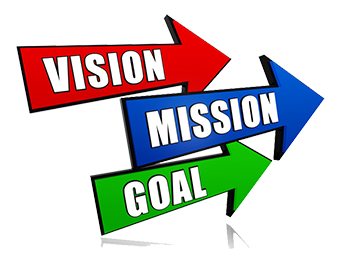

Vision
The department seeks to excel in pharmaceutical sciences education locally and regionally.

Mission
The Pharmaceutical Sciences Program is committed to offer high-quality education to its students, and provide community services in different professional pharmacy settings.

Goals
- To graduate a competent and confident pharmacist who has professional knowledge, skills and attitudes and able to contribute with other health care professionals to address the patient’s overall health care needs.
- To contribute to developing the health care system in Saudi Arabia and in particular the Qassim region through its students, staff and by providing professional community partnership, research, and educational services.
Head of the Department
Dr. Hasan S Yusufoglu
Qualification
PhD (Pharmaceutical Chemistry)

Details
Email id: Rashid.Mohd@bpc.edu.sa
Ext No. 342

Pharmacy Program
PHARMACEUTIC Department Courses
-
Pharmacognosy-1
PHG 222, Pharmacognosy-1, 3 (2 + 1)
This course aims to introduce the student to the sources of natural medicines, their importance, and history. In the course, the student gets acquainted with the distinctive characteristics of medicinal plants in terms of external appearance, microscopic characteristics, and the different chemical contents of plant cells. The course also includes its introduction to alternative medicine, its different schools, and the extent of its integration with modern medicine. It also discusses various methods of collecting, preserving, storing, grinding and extracting medicinal plants. In addition to introducing the student to the biological pathways in plants that lead to the formation of their chemical contents. Then the course discusses the medical uses, pharmacological effects and effective chemical contents of the drugs and includes starchy materials, volatile oils, spores, fatty substances, non-organismic substances. The course also includes introducing the student to the basics of chromatography analysis of its various types, especially vertical chromatography and chromatography of thin layers and its important applications in the field of analysis of drugs of natural sources.
-
Pharmacy Biotechnology
PHG 424, Pharmacy Biotechnology, 3 (3 + 0)
This course is taught in cooperation between the pharmacology and drugs departments, where the teaching load is divided equally. The course includes a thorough study of several types of technologies and how to use them to produce materials of medical benefit such as medicines from microbes or genetically modified plants and vaccines as well as how to use them to produce improved genes that are used in the treatment of many medical problems. The course covers a large part of related topics, including cell components and functions of their components, genetics, fermentation, plant tissue culture, embedded genes, methods of production and techniques that are used for this purpose. The course deals with a comprehensive study on the production of proteins, including the process of fixation, purification, formulations, and delivery systems of products that have been produced through biotechnology. During the course, the genetics and their delivery systems are also widely discussed, the production of genetically modified animals, the production of antibodies and vaccines and related technologies, Nano biotechnology, interaction of proteins with each other, economics of using biotechnology in the pharmaceutical industry.
-
Medicinal Chemistry-1
PHC 222, Medicinal Chemistry-1, 2 (2 + 0)
This course is designed to give students the important foundations of pharmacochemistry and the course includes an introduction to the physio-chemical properties of drugs and their relationship to absorption, distribution, metabolism and their effects on biological receptors to induce physiological responses. The course also includes a study in detail of the chemical aspects of drug metabolism.
-
Instrumental Analysis
PHC 427, Instrumental Analysis, 4 (3 + 1)
This course is concerned with the automatic analysis of pharmaceutical compounds. The course includes various methods of automated analysis. The course introduces an integrative approach between theoretical and applied laboratory lessons to study each method of analysis in terms of the basic concepts of analysis and the definition of the components of the analysis device and the function of each component, and the method of working on the analysis device and its uses in various fields of pharmacological analysis.
-
Pharmacognosy-2
PHG 322, Pharmacognosy-2, 3(2 + 1)
This course aims to complete the study of the active chemical contents of drugs and includes the group of glycosides and the group of alkaloids. The course deals with the study of some narcotic and poisonous plants, especially those present in the Kingdom, in order to acquaint students with the means of identifying them and treating the poisoning cases resulting from them. He also studied various examples of products derived from marine organisms. The course also includes a study of the effects of constructed and herbal medicines.
-
Recent approach for medicinal plants analysis
PHG 434, Recent approach for medicinal plants analysis, 4 (2 + 2)
This course covers methods used in plant surveying in order to identify their active ingredients. Also it is exposed to modern methods of extracting, separating and getting acquainted with the structural composition of these materials. It includes the following topics: Introduction and general concepts, sources of medicinal plant information, biochemical survey, biological survey, special separation methods, use of chromatographic methods in separation processes, identification of structural composition using physical and chemical methods, application of various spectral methods to identify the structural composition of materials Separated and training to derive results from these analyzes. The course also deals with the different methods for evaluating herbal medicines and their derivatives in its different forms as stipulated in the pharmacopoeias as well as ways to ensure its purity.
-
Drug Discovery and development
PHC 311, Drug Discovery and development, 1 (1 + 0)
The course includes an overview of the processes leading to the discovery of a new drug from the first step of the idea until it is tested as a treatment. These steps include selecting and identifying the leading compound with the target efficacy and then beginning to selectively control this efficacy. Laboratory and biological experiments are performed for this evidence compound to determine its efficacy as well as toxicity based on genetic and environmental factors. Emphasis will be placed on the pharmacist's role in the discovery and development of these new drugs.
-
Medicinal Chemistry
PHC 428, Medicinal Chemistry-4, 3 (2 + 1)
The theoretical part of the course covers in general, the chemistry of various chemotherapeutic agents as well as the chemistry of drugs used in certain endocrine system dysfunctions. Chemotherapeutic agents include anti-microbial, anti-viral, antifungal and anti-protozoal drugs in addition to chemotherapeutic anti-cancer drugs while the selected drugs used in endocrine system dysfunctions include thyroid and anti-thyroid agents and oral anti-diabetic drugs. Mechanism(s) of action, structure-activity relationship, stereochemistry, and biotransformation pathway(s) of the studied drug categories are also emphasized. The practical part of the course deals with relevant qualitative and quantitative experiments of some drugs belonging to certain topics covered within the context of the theoretical part.
-
Pharmacognosy-3
PHG 413, Pharmacognosy-3, 2(1 + 1)
The course includes a thorough study of hormones, enzymes, vitamins and minerals in addition to other important steroids, as it includes the study of their division, chemical properties, and vital functions, and the relationship between chemical and efficacy, medical uses and commercial production. The course also includes the study of biological preparations such as vaccines, toxins, and their anti-toxins, in addition to toxins Sera, as well as allergens of various kinds. It also includes talking about modern techniques and applications of natural colorings in the food and food industries and food analysis in general.
-
Pharmaceutical organic chemistry
PHC 211, Pharmaceutical organic chemistry, 3 (2 + 1)
This course includes the study of the structural compositions of homogeneous organic chemistry groups and heterocyclic compounds and their designation with knowledge of the physical and chemical properties. The study also includes the chemical reactions of each and the mechanics of their interaction in addition to knowledge of the chemistry of chemical compounds with a focus on compounds with a biological effect. The practical part also includes the identification of organic compounds through their chemical and physical properties and the properties of their groups.
-
Medicinal Chemistry-2
PHC 313, Medicinal Chemistry-2, 2 (2 + 0)
The course includes studying drugs that affect the effect of chemical emitters and some other internal materials and the nervous system, both sides of the sympathetic and parasympathetic neighbors, whether they are simulators or inhibitors, with knowledge of the relationship between the structural composition and vital effectiveness. The course also includes drugs affecting the cardiovascular system and diuretics. It also includes studying pharmacological groups such as histamine and its different antihistamines. It also includes the study of the construction and metabolism of some compounds.
-
Drug Abuse
PHG 414, Drug Abuse, 1 (0 + 1)
This course includes a comprehensive study on the misused drugs such as central nervous system depressants and stimulants, as well as hallucinogenic and steroid hormones that have a structural effect on the body. The study includes the definition of the natural sources of these drugs, the geographical areas in which they are produced, methods of distribution and the nature of their ingredients. The study also includes the harmful effect of these drugs on the body, the various chemical methods for identifying them, as well as methods for quantitative analysis by chromatography. The course also deals with the legitimate and illegal production of drugs that are misused and the methods used to identify them in forensic medicine.
-
Pharmaceutical Analytical Chemistry
PHC 213, Pharmaceutical Analytical Chemistry, 3 (2 + 1)
This course is concerned with the presentation of pharmaceutical analytical chemistry. The course is divided into two parts: volumetric analysis and mechanical analysis, and both sections include multiple topics on the methods of quantitative analysis. Each of the methods of analysis provides theoretical foundations and mathematical coefficients and devises the necessary laws for the final calculations and applications for each method in the field of pharmacological analysis.
-
Medicinal Chemistry-3
PHC 426, Medicinal Chemistry-3, 2 (2 + 0)
The course includes studying drugs affecting the central nervous system, as well as pain relievers of all kinds, in addition to sedative and sleeping medications, general anesthetics, and antidepressants, with knowledge of the relationship between structural composition and vital effectiveness. As touched pain Vehicles.
Members of the Department
-
Dr. Hasan Solimon Yusufoglu
Dr. Hasan Solimon Yusufoglu
PhD (Pharmaceutical Sciences)
Professor
Email id: Hasan.Yusuf@bpc.edu.sa
-
Dr. Mohd Rashid
Dr. Mohd. Rashid
PhD (Pharmaceutical Sciences)
Assistant Professor
-
Dr. Shamshir Khan
-
Dr. Ahmed Sabir
-
Dr. Somaya Farid
-
Dr. Md Tanwir Athar
-
Tyseer Hussein Mohamed Ahmed
Tyseer Hussein Mohamed Ahmed
Bachelors (Pharmaceutical Sciences)
-
Gamal Amer
Gamal Amer
Technician
College LMS - Blackboard Ultra
-
BlackBoard Ultra - LMS
All Rights Reserved © 2020-25 Buraydah Private Colleges. This site is managed by the IT Center of Buraydah Private Colleges, Buraydah, Al-Qassim, Kingdom of Saudi Arabia.