Pharmacology and Toxicology
Pharmacy Program
Pharmacology and Toxicology
Pharmacology and toxicology are part of the larger biomedical industry. Pharmacologists discover new medicines to fight disease, while toxicologists advance public health by uncovering environmental toxins

About the Program
Pharmacology
Pharmacology is the study of drugs. It involves examining the interactions of chemical substances with living systems, with a view to understanding the properties of drugs and their actions, including the interactions between drug molecules and drug receptors and how these interactions elicit an effect. Our pharmacology courses examine the different classes of drugs, how they are used therapeutically, their mechanisms of action, how they are handled by the human body, and their role in society.
Pharmacology provides the scientific basis and principles for a variety of special applications, such as the study of drug actions in the health sciences, the use of drugs as therapeutic agents in medicine or as tools in scientific research, and the development and regulation of pharmaceuticals. Pharmacology is a multi-disciplinary science with many subspecialties including clinical pharmacology, cardiovascular pharmacology, behavioral pharmacology, neuropsychopharmacology, pharmacogenetics, and pharmacoeconomics, to name a few.
Toxicology
Toxicology is the study of the adverse effects of chemicals (including drugs) on living systems and the means to prevent or ameliorate such effects. In addition to therapeutic agents, toxicologists examine many environmental agents and chemical compounds that are synthesized by humans or that originate in nature.
The toxic effects of these agents may range from disturbances in growth patterns, discomfort, disease or death of individual organisms or on whole ecosystems. There are many subspecialties of toxicology including clinical toxicology, regulatory toxicology (both of these found in the pharmaceutical and toxicology industry), forensic toxicology, occupational toxicology, and risk assessment. The current need for toxicologists is outlined in a recent online Science publication.
What is the difference between Pharmacology and Toxicology?
Pharmacology and toxicology are very similar disciplines that require an understanding of the basic properties and actions of chemicals. However, pharmacology places more emphasis on the therapeutic effects of chemicals (particularly drugs) while toxicology focusses more on the adverse effects of chemicals and risk assessment.
Vision, Mission and Goals.
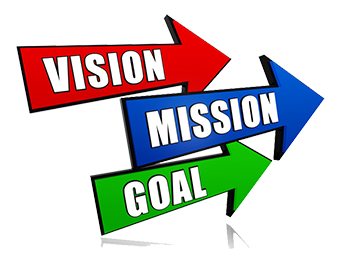
Vision
The department seeks to excel in pharmaceutical sciences education locally and regionally.
Mission
The Pharmaceutical Sciences Program is committed to offer high-quality education to its students, and provide community services in different professional pharmacy settings.
Goals
- To graduate a competent and confident pharmacist who has professional knowledge, skills and attitudes and able to contribute with other health care professionals to address the patient’s overall health care needs.
- To contribute to developing the health care system in Saudi Arabia and in particular the Qassim region through its students, staff and by providing professional community partnership, research, and educational services.
Head of the Department
Dr. Maisa Shamoun
Qualification
PhD (Pharmacology)
Details
Email ID.: Majid.Ahmad@bpc.edu.sa
Ext. No. 422

Pharmacy Program
PHARMACEUTIC Department Courses
-
Anatomy
PHL 212, Anatomy, 3 (2 + 1)
This course is concerned with the study of the anatomy of the various body systems of movement, sensation, nerves, and the cardiovascular, gastrointestinal, intestinal, respiratory, and urinary system. In the practical part of the course, theoretical studies will be discussed and applied using artificial structural models to clarify the anatomical sites of the members and their relationship with each other.
-
Physiology-2
PHL 226, Physiology-2, 2(2 + 0)
This course is concerned with studying the functions of the members of both the respiratory, renal, urinary, gastrointestinal and central nervous systems, while studying the course of pain. The components of each device will be defined and their relationship with each other in terms of the integration of functions and tasks with a focus on the control and regulation systems of the respiratory process and in the renal-urinary system. The various methods of re-absorbing electrolytes and water will be studied. In the gastro-intestinal tract, mechanisms for digesting food and absorbing different nutrients will be studied.
-
Toxicology
PHL 419, Toxicology, 2 (2 + 0)
This course includes studying the general principles of toxicology and the mechanisms of poisoning with commonly used drugs, as well as those chemicals that humans are usually exposed to. Carcinogenic chemicals and drugs that affect maternal, fetal and newborn health will be discussed, and focus will be placed on the signs and symptoms of toxicity and the treatment of poisonings.
-
Biochemistry-1
PHL 213, Biochemistry-1, 2 (2 + 0)
This course is concerned with studying the following topics in biochemistry, amino acids, and proteins, enzymes, bio-oxidation, porphyrin compounds, nucleic acids. The course also aims to study pathological relationships and the effect of some drugs and toxins on the molecular level.
-
Pharmacology
PHL 313, Pharmacology -1, 4 (3 + 1)
This course is concerned with the study of the principles and primary foundations of pharmacology, the study of pharmacological effects, medical uses, mechanisms of action, side effects, caveats for use and effects of both automatic nervous system drugs, topical anesthetics, hormone analogs, and cardiovascular system medications.
-
Pharmacology-4
PHL 425, Pharmacology-4, 2(2 + 0)
The focus in this course is on the student’s understanding of the molecular basis of the mechanisms of action, effects, uses, side effects, precautions for use and effects of drugs affecting the hormonal glands, and those drugs used to treat skin diseases such as acne, psoriasis, color, ovary, and others. It also includes teaching medications for various cancers.
-
Physiology -1
PHL 215, Physiology -1, 3 (2 + 1)
This course is concerned with the study of the organic functions and electrical properties of cell membranes, with a study of the functions of muscles, nerves, blood, the automatic nervous system in its two parts, the sympathetic and parasympathetic, cardiovascular system, and the processes of regulation and control of each device. In the practical part of the course, experiments will be conducted to see the above member functions.
-
Pharmacology -2
PHL 322, Pharmacology -2, 3 (2 + 1)
This course covers the principles of synaptic chemical transmission, synaptic plasticity, with an emphasis on the mechanisms of drugs used to treat attention and education disorders, memory, nerves, and psychology such as epilepsy, depression, anxiety, schizophrenia, tremor, tremor, Alzheimer's, addiction, metabolic and eating disorders, spinal cord wounds, sleep, pain, introvert, and stroke, with an explanation of the side effects of medications And their various influences. The practical part is concerned with conducting experiments to clarify the effects of drugs.
-
Antimicrobials
PHL 424, Antimicrobials, 3 (3 + 0)
This course is taught in cooperation with three departments, namely the Department of Pharmacognosy, Pharmaceutics and Pharmacology. This course deals with the study of antibacterials, viruses, and fungi. The course focuses on studying the relationship between the chemical structure of these antimicrobials and their effectiveness, molecular bases of their effectiveness and resistance to microorganisms, clinical use, side effects, prohibitions and their interactions with other drugs.
-
Biochemistry-2
PHL 224, Biochemistry-2, 3 (2 + 1)
This course aims to study the metabolism of sugary, fatty, protein and mineral salts. The course also aims to study the pathological relationships and the effect of some drugs and toxins on metabolism processes. The practical course focuses on determining the level of some biochemical indicators of clinical importance in blood and urine.
-
Pharmacology-3
PHL 418, Pharmacology-3, 2 (2 + 0)
This course is concerned with the study of pharmacological effects, medical uses, mechanisms of action, side effects, warnings of use, precautions and drug interactions of groups of drugs affecting lipids, coagulation disorders and treatment of anemia.
Members of the Department
-
Dr. Mohammed Saeed
-
Dr. Majid A Ganaie
Dr. Majid A Ganaie
Ph.D. (Biochemistry)
-
Dr. Fouzia Tabassum
Dr. Fouzia Tabassum
PhD (Pharmaceutical Sciences)
-
Dr. Abdelhadi Yassin
Dr. Abdelhadi Yassin
Assistant Professor
College LMS - Blackboard Ultra
-
BlackBoard Ultra - LMS